Reliable Seattle Siding Services for Exterior Repairs and Upgrades
Top-Quality Exterior Services for Your Home Renovation
Refurbishing a home often starts with its exterior. High-quality siding services play an important role in improving both appearance and functionality. Homeowners face a range of options, from vinyl to fiber cement. Each choice offers unique benefits and challenges. Understanding these factors is essential for coming to a well-informed decision. The effects of siding selection go beyond aesthetics. What factors should one weigh to guarantee lasting value and efficiency?
The Value of Qualified Exterior Panels for Your Residence
Why is professional siding significant for a home? The quality of siding influences a home's aesthetic appeal, power efficiency, and structural integrity. Professional installation guarantees that the siding is properly installed, limiting the risk of moisture leaks, mold growth, and pest invasions. Furthermore, professional siding services regularly feature protective guarantees that protect the homeowner's financial investment, offering peace of mind against damage.
Additionally, experts have the expertise to deal with various materials and local building codes, assuring conformity and long-lasting results. Proper siding can also enhance a home’s market value, making it more attractive to prospective buyers. On the other hand, DIY installations might lead to costly errors and inferior results. Thus, investing in professional siding is necessary for maintaining a home’s beauty and functionality, in the end aiding a safer and more comfortable living environment.
Investigating Multiple Siding Solutions: Which One Is Right for You?
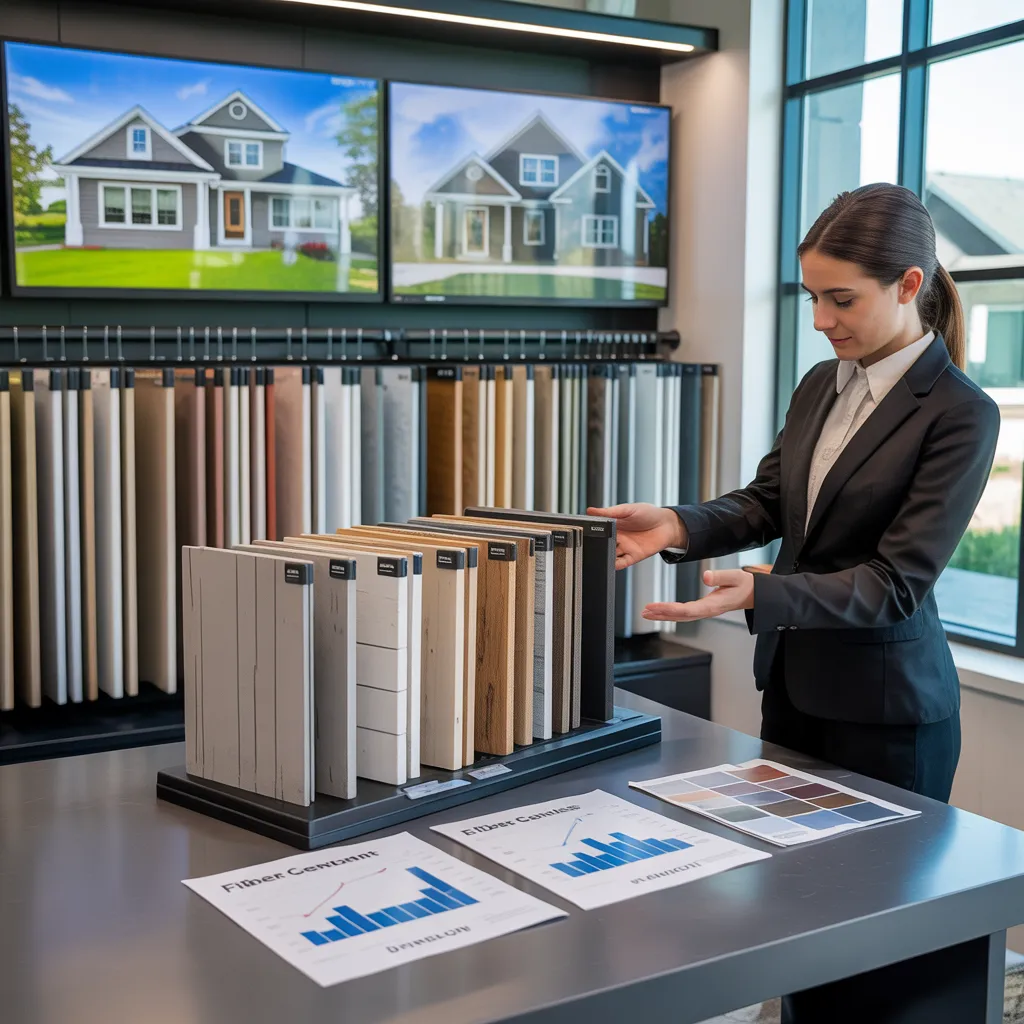
When assessing siding selections, homeowners encounter a variety of materials, each delivering unique advantages. Vinyl siding is recognized for its cost-effectiveness and minimal maintenance, while wood siding delivers classic aesthetics that enhance curb appeal. Meanwhile, fiber cement excels for its outstanding durability and protection to the elements, making it a sensible choice for many.
Vinyl Siding Strengths
Although homeowners often encounter a myriad of choices when choosing siding materials, vinyl siding distinguishes itself due to its distinct blend of longevity and minimal upkeep. This material is resistant to rot, pests, and harsh weather, making it an excellent option for various climates. In addition, vinyl siding comes in an extensive range of colors and styles, providing versatility in design without the need for frequent repainting. Its cost-effectiveness compared to other siding options makes it accessible for many homeowners, while a simple maintenance routine guarantees it remains aesthetically attractive over time. Moreover, vinyl siding contributes to thermal performance, helping to reduce heating and cooling costs. Overall, these benefits position vinyl siding as a strong choice
Wooden Siding Aesthetic Value
While vinyl siding provides functionality, wood siding captivates with its natural beauty and enduring elegance. The rich textures and warm tones of wood establish an inviting atmosphere, improving a home's curb appeal. Available in various species, like cedar, pine, and redwood, wood siding allows homeowners to customize their aesthetic preferences. Its versatility can enhance different architectural styles, from country homes to contemporary architecture. Additionally, wood siding can be painted or stained to attain the desired look, enabling further personalization. Nevertheless, the distinctive wood grain and natural color variation offer a distinctive quality that synthetic materials often lack. As a result, wood siding continues to be a favored option for those pursuing an elegant, organic appearance for their homes.
Fiber Cement Endurance
Fiber cement siding provides exceptional durability, making it a top choice in the area of home exteriors. Consisting of a mix of cement, sand, and cellulose fibers, this material protects against rot, warping, and insect damage. Unlike wood, fiber cement does not give in to moisture issues, ensuring reliable performance even in challenging climates. Its resistance to wearing off and cracking also supports its consult article longevity, requiring minimal care over the years. Additionally, it can be painted in numerous colors, enabling homeowners to change aesthetics without jeopardizing durability. This balance of strength and versatility makes fiber cement siding an excellent option for those seeking both style and substance in their home improvement projects.
How Siding Maximizes Energy Efficiency and Comfort
Siding functions as a crucial element in boosting a home's energy efficiency and comfort. Its insulation effectiveness can significantly minimize heat loss, while modern air leakage prevention strategies help sustain a stable indoor environment. As a result, homeowners can experience lower energy costs and superior overall comfort.
Siding's Thermal Attributes
A well-insulated home can greatly improve both energy efficiency and comfort. Siding is essential in achieving this by adding an additional layer of insulation. Various siding materials, such as insulated vinyl or fiber cement, are made to lessen heat transfer, helping homes stay warmer in winter and more comfortable in summer. This thermal barrier minimizes the workload on heating and cooling systems, resulting in lower energy bills. Moreover, the insulation properties of siding support a more consistent indoor climate, which improves overall comfort. By selecting high-quality siding with excellent insulation, homeowners can benefit from a more energy-efficient residence while also gaining benefits of noise reduction and durability. These factors constitute a valuable investment in home improvement.
Strategies for Air Leakage Control use effective methods
Stopping air leakage is vital for boosting energy efficiency and comfort inside a home. Correct siding installation is important in this procedure. Premium siding options, such as fiber cement or vinyl, frequently provide interlocking designs that reduce gaps, limiting the likelihood for air infiltration. Furthermore, implementing strong sealing strategies, like caulking and weather stripping, reinforces the protection against unwanted drafts. Insulation positioned behind the siding also adds considerably by maintaining a consistent indoor temperature. Ongoing care, including assessments for cracks and wear, assures that the siding remains effective at its best. By tackling air leakage through smart siding options and careful installation, homeowners can realize noteworthy energy savings and improved indoor comfort throughout the year.
How to Identify Top Energy-Saving Siding Qualities?
When evaluating energy-efficient siding, homeowners often question which vital features deserve priority. Insulation value is crucial; siding featuring a high R-value demonstrates improved heat retention, which assists in maintaining indoor temperatures. Homeowners should additionally consider options with protection against moisture and mold, since these can compromise thermal performance over time.
An vital aspect is the siding's capacity to minimize air infiltration. Materials with tight seams and interlocking panels can reduce drafts. Additionally, shiny surfaces that deflect sunlight can help maintain homes cooler in the summer.
Finally, eco-friendly materials that support sustainability can be beneficial. Options such as fiber cement or engineered wood not only offer durability but also enhance energy efficiency. By considering these aspects, homeowners can make informed decisions that contribute to lower energy bills and a more comfortable living environment.
Important Criteria for Selecting the Right Siding Material
Picking the right exterior choice involves several important factors that extend beyond fuel savings. Property owners should emphasize durability, as materials like vinyl or fiber cement can resist harsh weather conditions. Visual appeal is also important; the siding should match the home's architectural style while respecting personal preference. Upkeep needs vary considerably among materials; wood may require frequent refinishing, whereas vinyl typically requires less attention.
Cost represents another vital aspect, accounting for both upfront costs and future costs. Environmentally friendly options, like reclaimed wood or reused components, might appeal to environment-minded homeowners. Also, local weather should determine your choice, since some materials function more efficiently in various climates. Ultimately, homeowners must evaluate the accessibility of siding options in their area, as this can determine both selection and installation processes. Making a well-considered decision will assure that the chosen material boosts both the home's worth and curb appeal.
Why Installation Makes a Difference for Siding Extended life
Suitable installation is essential for maintaining the longevity of siding materials. When siding is installed accurately, it establishes a secure barrier against natural elements, minimizing the risk of harm from moisture, wind, and pests. Poor placement or defective sealing during installation can create gaps that allow water infiltration, eventually causing mold development and structural damage.
In addition, adherence to manufacturer instructions during installation is crucial. Each siding material contains specific stipulations that, when honored, strengthen durability and performance. For instance, faulty fastening approaches or poor insulation can compromise the integrity of the siding, causing premature deterioration.
Furthermore, professional installation often encompasses quality inspections and warranties, giving homeowners with peace of mind. Choosing a skilled installation team not only ensures visual attractiveness but also safeguards the siding investment, maximizing its durability and effectiveness. Proper installation, consequently, is an crucial element in maintaining the protection and value of a home.
Tips for Maintaining Your Siding for Lasting Appeal and Durability
Maintaining siding requires consistent care to confirm its aesthetic appeal and safeguarding properties endure over time. Homeowners should begin with routine inspections to identify any indicators of damage, such as fractures or warping. Cleaning the siding every six months is essential; using a mild soap and soft brush can avoid the accumulation of dirt and mildew. Additionally, checking the caulking around windows and doors works to stop water penetration, which can cause more substantial issues.
It is also recommended to repaint or stain wood siding every few years to maintain its integrity and appearance. For vinyl siding, a simple wash with a garden hose is often adequate. Homeowners should be aware of overhanging trees that can damage or scratch siding and trim them back as needed. By implementing these maintenance tips, homeowners can confirm their siding remains functional and attractive for years to come.
Popular Inquiries Asked Regularly
What Evidence Should I Observe to Detect Damaged Siding?
When assessing visible siding damage, inspect for cracks, warping, peeling paint, mold growth, and gaps between panels. Likewise, be alert to interior moisture buildup, which might expose issues affecting the siding structure.
How Long Is the Average Lifespan of Different Siding Materials?
The standard longevity of exterior materials differs: wood persists 20-40 years, vinyl 20-30 years, fiber cement 25-50 years, and aluminum about 30 years. Considerations like environmental conditions and care can substantially impact these durations.
Do I Require a License for Installing Siding?
Whether a license is necessary for siding work is determined by local codes. Typically, homeowners should consult their local building authority to verify compliance with any required permits and to prevent potential penalties or project delays.
Can You Apply New Siding Over Existing Siding?
Yes, replacement siding can often be placed on old siding, as long as the structural base is sound and complies with local construction codes. However, detailed evaluation and potential protective barriers should be considered to guarantee extended durability.
How Can Siding Impact My Home's Resale Worth?
Siding substantially affects a home's market value by boosting curb appeal and energy efficiency. High-quality materials combined with professional installation can appeal to potential buyers, possibly raising offers and cutting down time on the market, ultimately providing a better return.